Source Lurex Stripes Knit Braided Webbing for Bags Garment Shoes
Compare 30 listings for lurex stripes knit braided webbing with features like high tenacity and eco-friendly materials. Buyers can review specifications, pricing, and MOQs for bag, garment, and shoe applications from verified Chinese manufacturers.
Key considerations
Products List




Comprehensive Sourcing Guide
Strategic Sourcing Guide for Lurex Stripes Knit Braided Webbing
Understanding Product Attributes and Technical Specifications
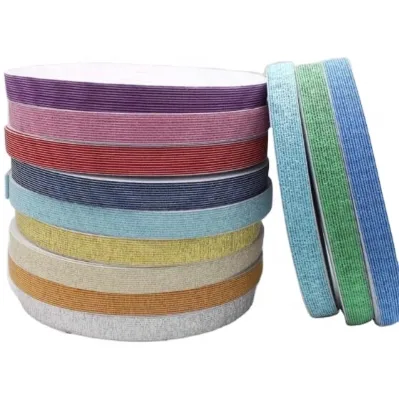
When sourcing Lurex stripes knit braided webbing, buyers must first distinguish between the specific construction methods and material compositions that define the product's performance. The core keyword implies a textile strip featuring metallic or shimmering threads integrated into a braided or knitted structure. Based on available market data, this category encompasses a diverse range of material bases, including Polyester, Nylon, Spandex, and blends with Cotton. The presence of Lurex threads often correlates with specific aesthetic requirements, such as the "Golden Thread Striped Color" observed in certain product listings, which serves both decorative and branding purposes in fashion and accessory applications.
The technical construction of these webbing strips varies significantly by manufacturer. Some products utilize a Jacquard weaving technique to create intricate patterns, while others employ a Printed method or a Braided structure. The thickness of the webbing is a critical variable, with observed specifications ranging from 1mm to 4mm, and specific models cited at 1.5mm or 2.1mm. Widths are equally variable, with standard offerings often falling between 1-1/2 inches (approximately 38mm) or 30mm, though many suppliers offer customization to specific widths like 1.5cm or other client-defined dimensions. The material composition directly influences the mechanical properties; for instance, Polyester and Nylon blends are frequently cited for their high tenacity and abrasion resistance, whereas Spandex-based variants prioritize elasticity. Buyers should verify the exact weave density and thread count, as these factors determine the tensile strength and durability of the final product.
Compliance, Certification, and Material Standards
In the global B2B textile market, compliance with international standards is a non-negotiable aspect of procurement, particularly for products intended for consumer goods like luggage, clothing, and sports equipment. While specific certification status varies by supplier, the market data indicates that certain manufacturers adhere to standards such as ROHS and SGS. These certifications are crucial for verifying that the materials used, including the metallic Lurex threads, do not contain hazardous substances that could violate regulations in the European Union or other strict markets.
Buyers must approach certification claims with a verification mindset. The presence of a "customized" standard in some product listings suggests that suppliers may tailor their compliance documentation to meet specific client requirements or regional regulations. It is imperative to request current test reports rather than relying on general claims. For instance, if a product is marketed as "Eco-Friendly," the buyer should seek documentation regarding the dyeing processes, chemical treatments, and the recyclability of the polyester or cotton components. The "High Tenacity" and "Low Shrinkage" attributes observed in the data are performance claims that require physical testing to validate. A robust procurement strategy involves a pre-shipment audit to ensure that the physical product matches the certified specifications, particularly regarding the shrinkage rates and the integrity of the braided structure under stress.
Cost Drivers and Pricing Dynamics
The pricing structure for Lurex stripes knit braided webbing is influenced by a complex interplay of material costs, production complexity, and order volume. The observed price range in the market spans from $0.05 to $0.75 per unit, a significant variance that reflects differences in material quality, width, and the intricacy of the Lurex integration. The inclusion of metallic threads, such as those creating a golden striped effect, inherently increases the base material cost compared to standard polyester or nylon webbing. Furthermore, the production technique plays a pivotal role; Jacquard weaving and braiding processes are generally more labor-intensive and time-consuming than simple printing or plain weaving, thereby commanding a higher price point.
Order volume is another primary cost driver. The Minimum Order Quantity (MOQ) requirements in this sector typically range from 500 to 3,000 units, with some specific listings indicating an MOQ of 10,000 or 1,000 meters. Suppliers often offer tiered pricing structures where the unit cost decreases as the order volume increases. Buyers should be aware that customization of width, color, and pattern adds to the setup costs and may increase the effective MOQ. Additionally, the packaging method, whether it is individual polybags, rolls, or cartons, can influence the final landed cost due to the additional materials and labor involved. Understanding these variables allows buyers to negotiate more effectively and align their procurement strategy with their budget constraints while ensuring they do not compromise on essential quality attributes.
Typical Applications and Use Cases
The versatility of Lurex stripes knit braided webbing makes it suitable for a wide array of industries, driven by its unique combination of aesthetic appeal and functional durability. The primary applications identified in the market include bags and luggage, clothing, sports equipment, and shoes. In the fashion sector, the shimmering Lurex threads are often utilized for decorative trims, belt loops, and branding elements on garments and handbags, adding a premium look to the final product. The "Eco-Friendly" attribute observed in some listings makes these webbing strips particularly attractive for brands aiming to meet sustainability goals while maintaining a high-fashion aesthetic.
For the luggage and travel industry, the high tenacity and abrasion resistance of polyester and nylon-based webbing are essential for withstanding the rigors of transport. The braided or knitted structure provides the necessary flexibility and strength for straps and handles. In the sports equipment sector, the elasticity provided by Spandex blends is beneficial for items requiring stretch and recovery, such as compression gear or adjustable straps. The "Low Shrinkage" feature is particularly valuable in clothing applications where dimensional stability is critical after washing. Buyers should evaluate the specific mechanical requirements of their end product against the webbing's properties, such as thickness and width, to ensure compatibility. For example, a 1.5mm thick webbing might be ideal for shoe laces, while a 30mm wide, high-tenacity variant would be better suited for heavy-duty luggage straps.
Supplier Evaluation and Production Capabilities
Selecting the right supplier requires a thorough evaluation of their production capabilities, customization options, and logistical reliability. The market data indicates that many suppliers in this category are based in China, with specific manufacturing hubs noted in Guangdong. This concentration of supply suggests a mature ecosystem with established infrastructure for textile production. A key differentiator among suppliers is their ability to offer OEM (Original Equipment Manufacturer) services. Most listed suppliers confirm their capacity for OEM production, allowing buyers to brand the webbing with their own logos or specific design requirements.
Buyers should assess the supplier's flexibility regarding customization. While some products come with standard specifications, others offer fully customized standards, widths, and patterns. The availability of stock samples, sometimes offered for free, is a valuable resource for quality assessment before committing to a large order. However, buyers must be cautious of discrepancies between sample quality and mass production output. It is also essential to verify the production lead time, which is typically cited as 15-20 days. This timeline can vary based on the complexity of the order, the availability of raw materials, and the current production load. A reliable supplier will provide a clear production schedule and maintain open communication regarding any potential delays. Additionally, the packaging standards, ranging from individual polybags to rolls and cartons, should be evaluated to ensure they meet the buyer's shipping and storage requirements.
Quality Control and Long-Term Procurement Considerations
Implementing a rigorous quality control (QC) protocol is essential to mitigate risks associated with sourcing Lurex stripes knit braided webbing. Given the variability in material composition and production techniques, buyers should establish clear acceptance criteria before production begins. Key QC checkpoints include verifying the thickness, width, and color consistency, particularly the metallic sheen of the Lurex threads. The "High Tenacity" and "Abrasion Resistance" claims must be validated through physical testing, such as tensile strength tests and rub tests, to ensure the webbing can withstand the intended use without failure.
Long-term procurement considerations extend beyond the initial order to include supply chain stability and scalability. Buyers should assess the supplier's capacity to handle volume increases without compromising quality or lead times. The "customized" nature of many standards implies that the supplier must have the technical expertise to maintain consistency across different production runs. Establishing a long-term partnership with a supplier who offers flexible MOQs and responsive customer service can provide a competitive advantage. Furthermore, buyers should consider the environmental impact of their sourcing decisions, prioritizing suppliers who demonstrate a commitment to sustainable practices and eco-friendly materials. Regular audits and performance reviews of the supplier's output will help maintain high standards and ensure a reliable supply of high-quality webbing for future product lines.
Summary of Key Procurement Parameters
To facilitate a streamlined decision-making process, the following table summarizes the critical parameters buyers should verify when sourcing Lurex stripes knit braided webbing. This comparison highlights the variability in specifications and the importance of due diligence.
| Parameter | Observed Range / Options | Verification Requirement |
|---|---|---|
| Material Composition | Polyester, Nylon, Spandex, Cotton, Blends | Confirm specific blend ratios and fiber quality. |
| Thickness | 1mm - 4mm (Specific: 1.5mm, 2.1mm) | Measure physical thickness against spec sheet. |
| Width | 30mm, 1-1/2", 1.5cm, or Custom | Verify width consistency across the roll. |
| Construction | Jacquard, Printed, Braided, Knit | Inspect weave pattern and thread density. |
| MOQ | 500 - 3,000 units (Some: 10,000, 1,000m) | Negotiate based on volume and budget. |
| Lead Time | 15-20 Days (Typical) | Confirm timeline in writing for each order. |
| Certifications | ROHS, SGS, Customized | Request valid, current test reports. |
| Packaging | Polybag, Roll, Carton, Box | Ensure packaging protects against damage. |
| Features | High Tenacity, Eco-Friendly, Elastic | Validate performance claims via testing. |
By adhering to these guidelines and maintaining a focus on evidence-based verification, buyers can successfully navigate the complexities of sourcing Lurex stripes knit braided webbing, ensuring they secure high-quality materials that meet both functional and aesthetic requirements.
FAQs
What materials are used for lurex stripes knit braided webbing?
Common materials include polyester, nylon, spandex, and cotton blends. Specific products may feature 100% polyester or blends with golden thread stripes for decorative purposes.
Which certifications are available for this webbing product?
Some manufacturers provide ROHS and SGS certifications to verify material safety. Others offer customized standards to meet specific client or regional regulatory requirements.
How is the webbing typically packed for shipping?
Packaging options include rolls, polybags, cartons, and boxes. Specific configurations range from 100 yards per roll to 50 meters per roll depending on the supplier.
What is the standard production lead time for orders?
The typical production lead time is usually 15 to 20 days. This duration may vary based on order complexity, customization needs, and current factory capacity.
Can suppliers offer OEM services for this webbing?
Yes, most suppliers provide OEM services to allow custom branding and designs. Buyers can request specific widths, colors, and patterns to match their product requirements.
What is the minimum order quantity for this product?
MOQs typically range from 500 to 3000 units, with some suppliers requiring 1000 meters or 10000 units. Specific thresholds depend on the color and customization level.